
Who we serve
Four doors, one problem.
A construction gate, a preschool entrance, a gym at five in the morning and an office reception look like four different jobs. They are the same job. Someone needs to know who came in and someone will eventually need to prove it: a WorkSafe inspector, a Ministry auditor, an insurer, a fire warden, or a parent asking who collected their child.
iENTR is built for that second half. The door opening is the easy part.
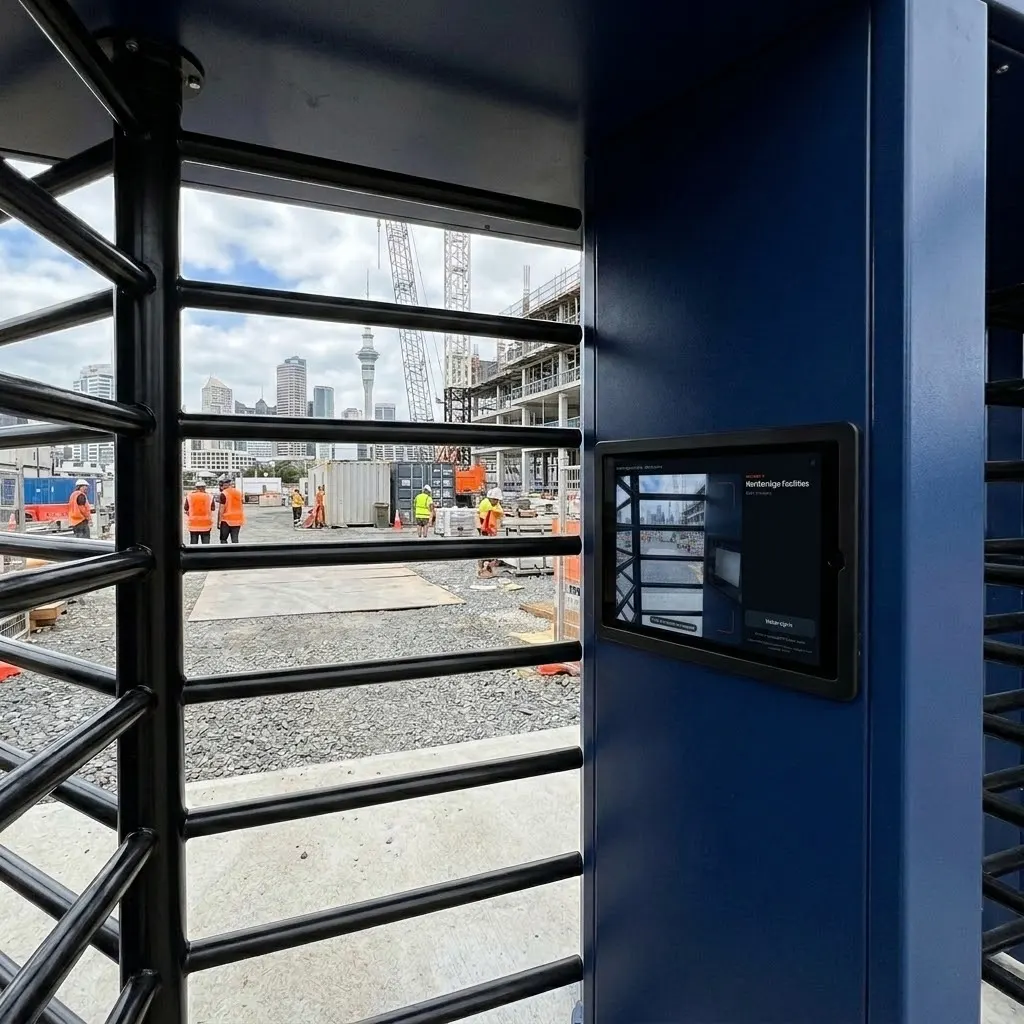
Construction
Australian WHS Regulations require workplaces where construction work is carried out to be secured from unauthorised access so far as is reasonably practicable. UK CDM Regulations require principal contractors to prevent access by unauthorised persons and provide a suitable site induction. In New Zealand, PCBUs must ensure the workplace and its means of entry and exit are without risk and must hold a tested emergency plan. The law sets the outcome. iENTR is how you evidence it.
It pays for itself on timesheets alone. Every entry and exit is verified by the worker's own face at the gate, so timesheets build themselves automatically from the record. Nobody clocks in a mate, nobody rounds up an afternoon and nobody spends Friday chasing paper.
Construction with iENTR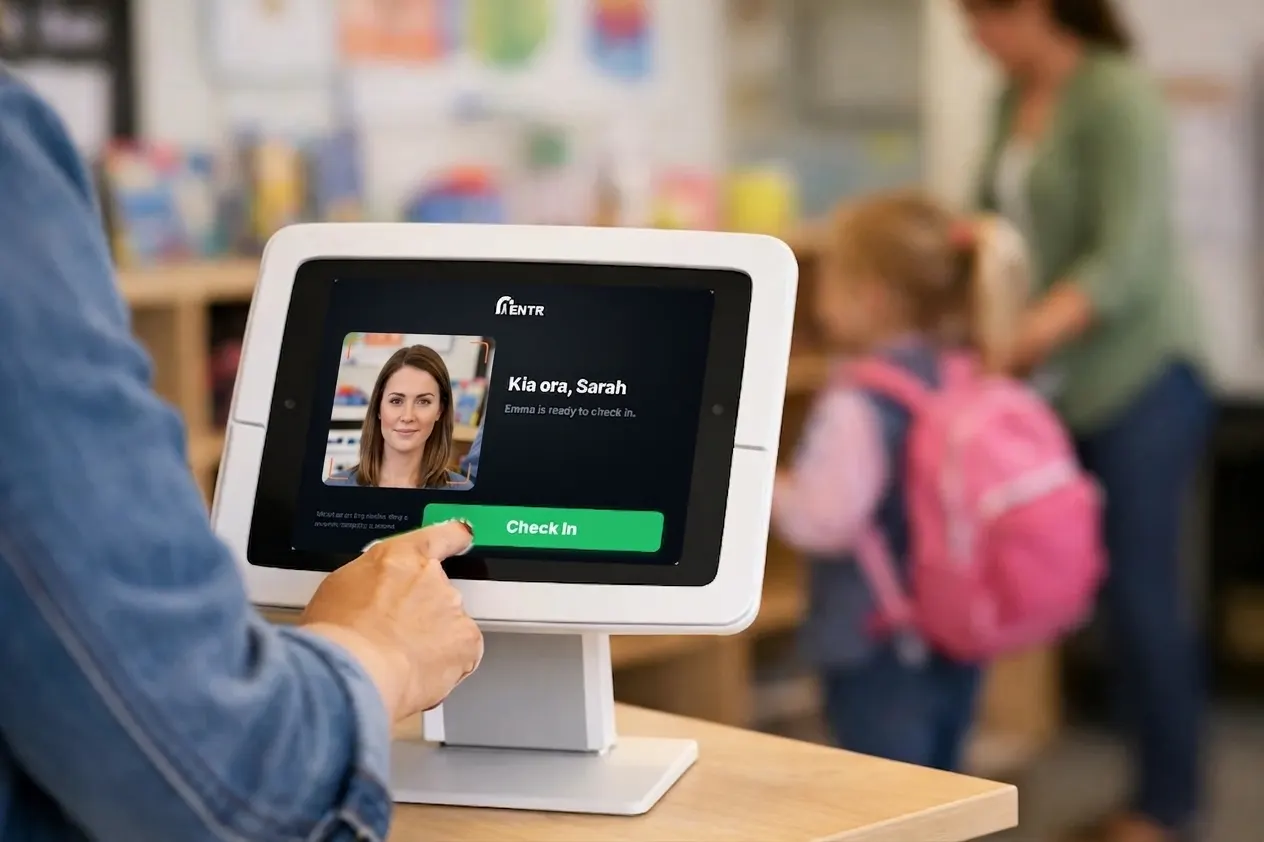
Early childhood and schools
Under Australia's Education and Care Services National Regulations, approved providers must keep an attendance record showing each child's full name and the date and time each child arrives and departs, signed by the person delivering or collecting them. In New Zealand, licensed centres must keep enrolment and attendance records for seven years and funding claimed on inaccurate attendance is recovered by the Ministry on audit. iENTR verifies the adult at the door and writes the record automatically.
Children are not enrolled. iENTR's education deployment verifies adults: staff, parents, caregivers, authorised nominees and contractors. That is a deliberate design position, not a limitation.
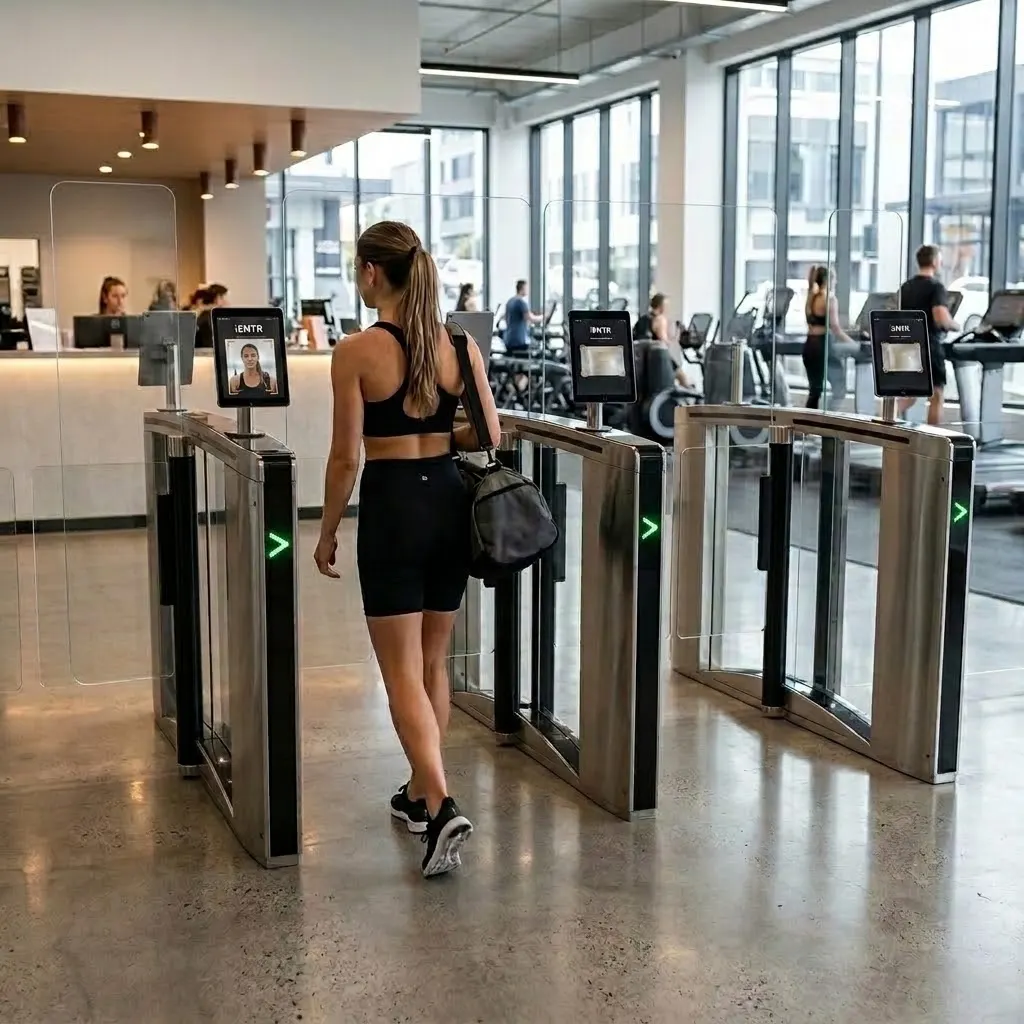
Gyms and fitness
No law requires a gym to record who walks in. Your duty of care does. Exercise New Zealand's guidance for unsupervised facilities asks operators directly: "what system do you have to pick up if more than one person enters on the same membership? i.e. illegal entry" and warns that any access system "needs to be extremely robust and reliable for declining access to unauthorised users." A card cannot do either. A face can.
Gyms with iENTR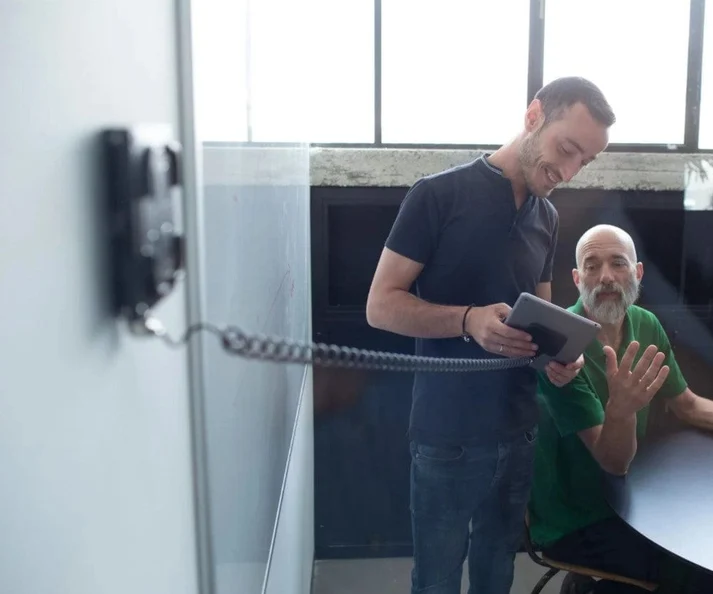
Workplaces and visitors
There is no law that says keep a visitor book. There is a law that says your evacuation has to work. In New Zealand, owners of relevant buildings must hold a Fire and Emergency approved evacuation scheme and report whether all occupants were evacuated in accordance with it. You cannot report that if you do not know who came in.
The same record runs your timesheets. Hours are built from entries and exits verified by the person's own face at the door, so nobody clocks in a mate and nobody signs hours they did not work. Time tracking you never have to police, exportable whenever payroll wants it.
Workplaces with iENTRTry it on one door.
Seven days free, cancel any time. Mount the iPad, pair it with one code and you are running inside half an hour.